
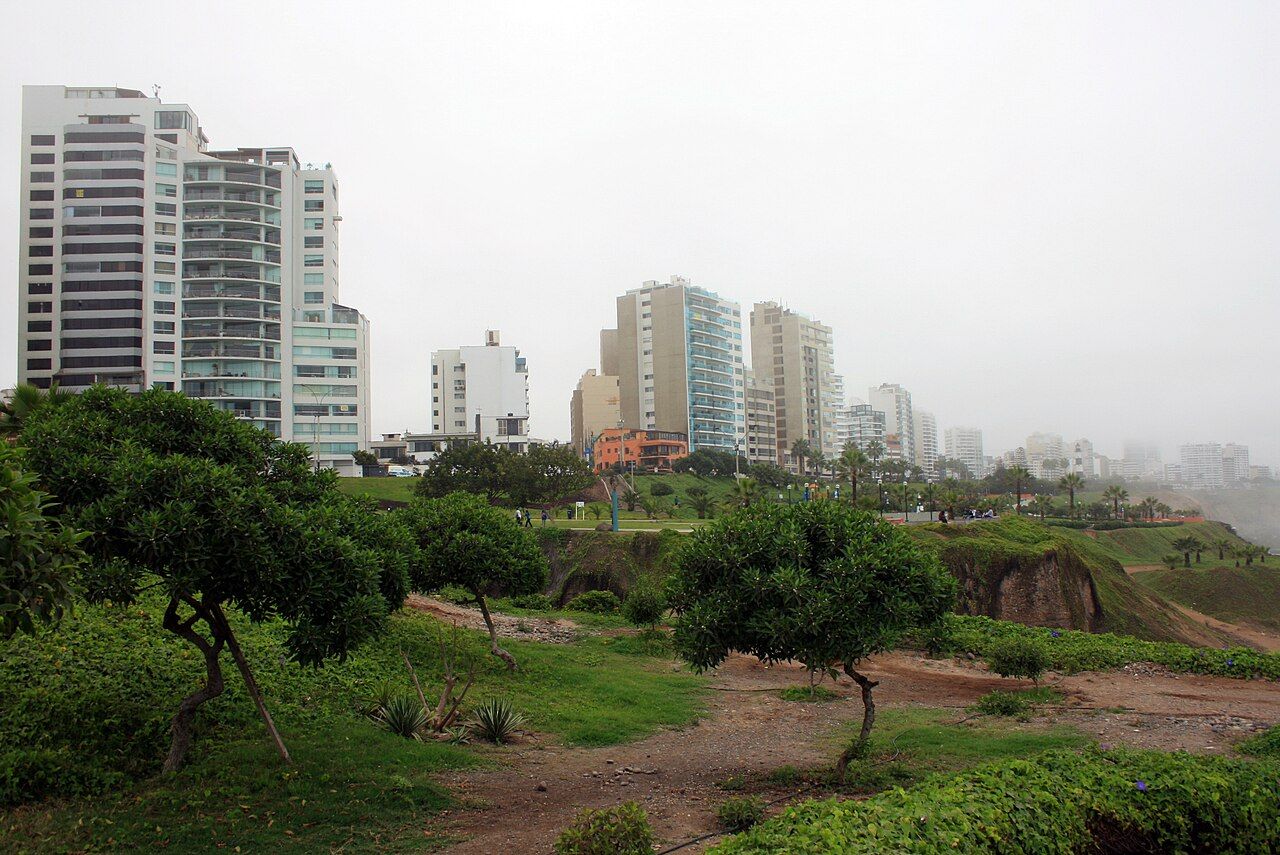
 Camera: Indisdepe | Creative Commons BY-SA 3.0
Arrive in Lima in July and you might wonder where the sun has gone. A thick blanket of grey cloud sits low over the city, sometimes for weeks, and a fine mist drifts down that is too light to call rain. Limeños call this drizzle the garúa, and it shapes life in the city for half the year.
Yet Lima is one of the driest capitals on earth. Real rain is rare, and the desert hills around the city are bare brown sand. The grey is not a storm; it is the ocean making its own weather.
Why Lima is grey
The cold Humboldt Current flows north along the Peruvian coast, chilling the air directly above the sea. Warmer air sits on top of that cool layer, and the boundary between them acts like a lid. Moisture rising from the ocean condenses at that boundary into a flat, low sheet of cloud, which presses against the coast and the hills behind the city. The cloud is too thin to produce proper rain, but it drops a constant fine drizzle that dampens pavements and leaves a sheen on windscreens.
The same effect makes the coast a desert. With the cool sea below and the lid above, the clouds rarely build up enough to bring real downpours, which is why Lima gets so little rain.
The seasons in Lima
Winter: May to November
From roughly May to November, the garúa dominates. Skies are grey most days, especially in the morning, and temperatures are mild but feel cool because of the damp and the lack of sun. July and August are usually the greyest months. It is rarely truly cold, and frost is unknown on the coast, but the humidity seeps into everything, and many homes have no heating, so the indoors can feel chilly too.
Winter has its own beauty. The fog lends the Malecón and the cliffs a moody quality, and the lomas, the fog-fed hills around Lima, turn green as the moisture feeds a short-lived bloom of plants and flowers. Some of these lomas are protected and can be visited on day trips.
Summer: December to April
Summer brings clear skies, strong sun and warm, humid days. The beaches fill, the sea warms up a little, and the city's mood brightens. Evenings are pleasant for walking. Sunburn comes quickly here; even if it feels mild, the sun is close to the equator and strong.
Next: Onward from Lima: buses south and flights to the Andes
El Niño and the rains
Every few years, the pattern breaks. During an El Niño event, warmer water spreads along the coast, the cold current weakens, and the weather changes dramatically. The sea warms, rains can fall in places that normally see none, and the northern coast in particular can be hit by floods.
Around Lima, the bigger risk comes from the mountains. Heavy rains in the Andes can send mudslides, called huaicos, down the valleys that run toward the coast, cutting roads and damaging homes. These events have been serious in some years. If you plan trips into the valleys, such as Lunahuaná in the Cañete valley, during the wet months, check the news and road conditions first.
Weather forecasts and alerts change from season to season.
When to come
There is no bad time to visit Lima, but your choice depends on what you want.
- Summer (December to April): best for beaches, sunshine and outdoor eating. It is also hotter and busier, and the weeks around the holidays are popular with domestic travellers.
- Winter (May to November): cooler and greyer, but often quieter. It is a good season for museums, food and the city itself, and the best time for the lomas.
If your trip combines Lima with the Andes, the timing reverses. The mountains have their dry season from roughly May to September, just when Lima is at its greyest. Many travellers simply accept a grey few days in Lima as part of a winter trip to Cusco or Arequipa. For more on that route, see the guide to heading on from Lima.
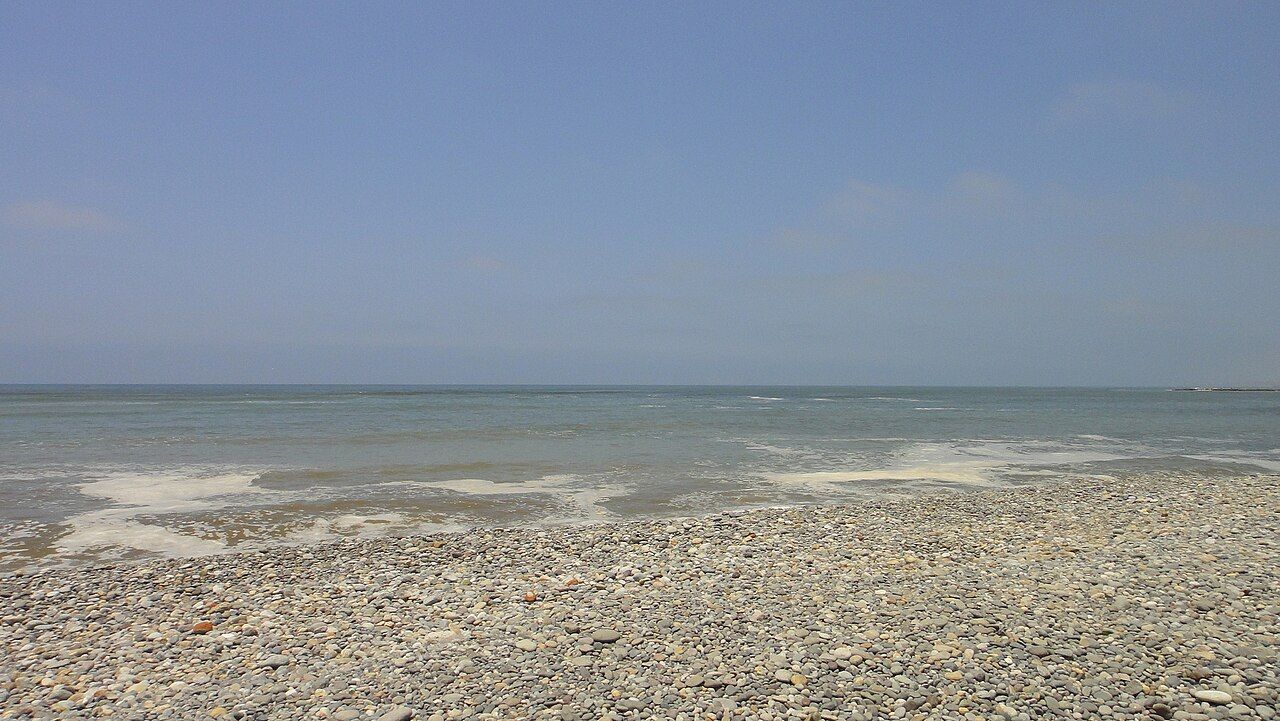 Camera: Tremoro0 | Creative Commons BY-SA 3.0

What to pack
Lima's weather is mild all year, so you do not need heavy winter clothes or a big coat. Layers are the key.
- A light jacket or fleece for winter evenings and damp mornings.
- A thin waterproof layer for the drizzle; an umbrella is rarely needed.
- T-shirts and light trousers or skirts for the day.
- Sunscreen and sunglasses all year round. Even under cloud, the ultraviolet is strong.
- Swimwear in summer if you plan to visit the beaches, such as those along the Costa Verde.
Damp gets into clothes in winter, so pack things that dry quickly. If you are heading to the Andes afterwards, pack warmer layers too, since nights at altitude are cold.
Living with the grey
The garúa is not a reason to avoid Lima. It is part of the city's character, and Limeños have plenty of ways to live with it: hot drinks, long lunches, museums and markets. Plan indoor sights such as museums and covered markets for the greyest days, take your walks along the cliffs when the light breaks through in the afternoon, and when the cloud starts to get to you, do what locals do and head inland for a day of sun.