
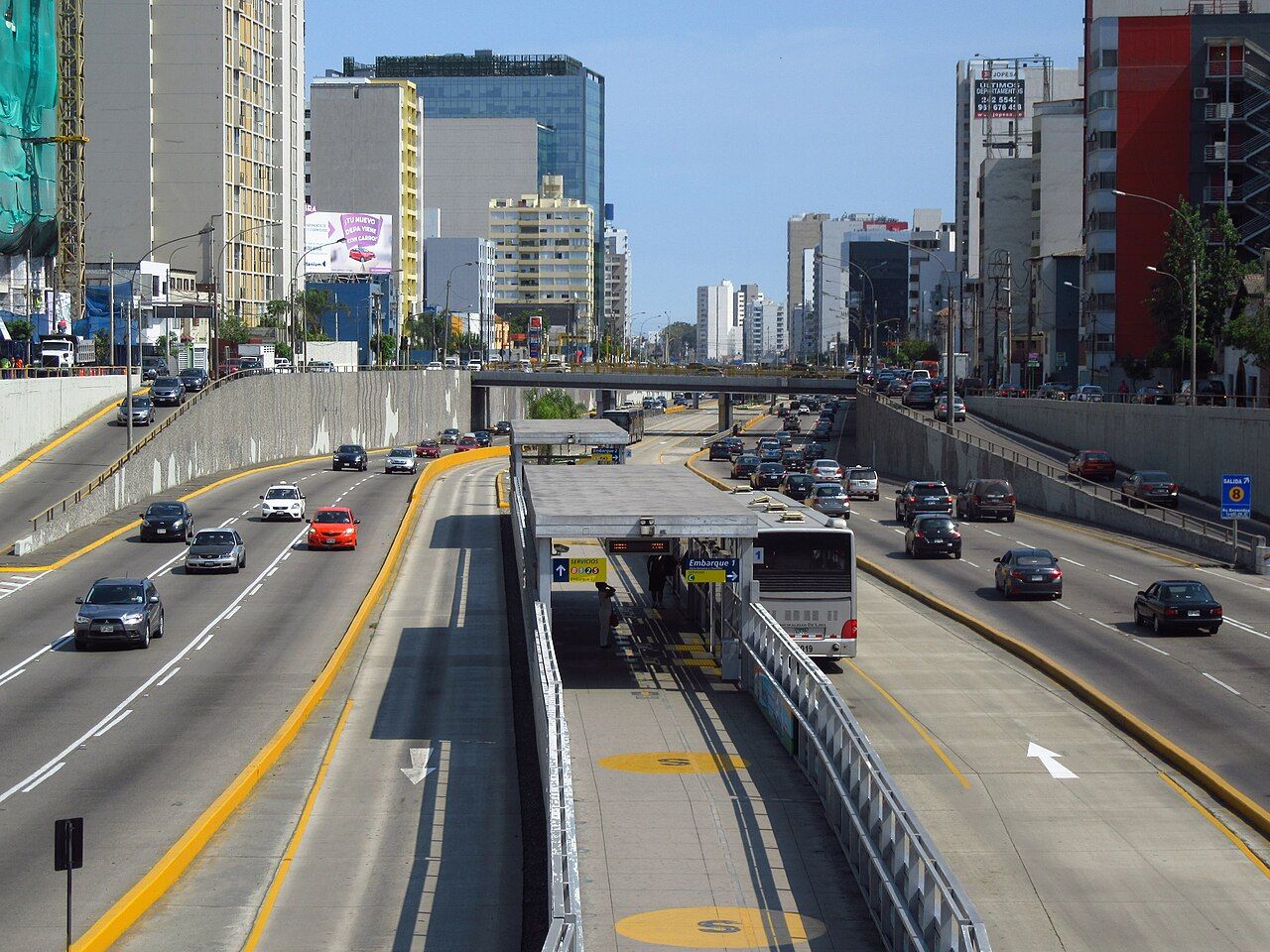
 Camera: Felipe Restrpo Acosta | Creative Commons BY-SA 4.0
Lima sprawls for dozens of kilometres along the coast and up into the desert valleys, and most of it was not built with public transport in mind. On a bad day, a trip across the city can take longer than the flight to Cusco. The good news is that the parts most visitors use, the centre, Miraflores, Barranco and the routes between them, are well served by a few simple options.
The Metropolitano
The Metropolitano is a bus rapid transit line, with long articulated buses running in their own lanes down the middle of the Vía Expresa, the sunken highway that cuts through the heart of the city. It links Chorrillos in the south with Barranco, Miraflores and the historic centre, then continues north. Because it avoids the traffic, it is often the quickest way to cross the city at peak times.
You pay with a rechargeable card, bought and topped up at machines and ticket windows in the stations. Several people can share a card, but you cannot pay with cash on board. Fares are low and flat for most journeys.
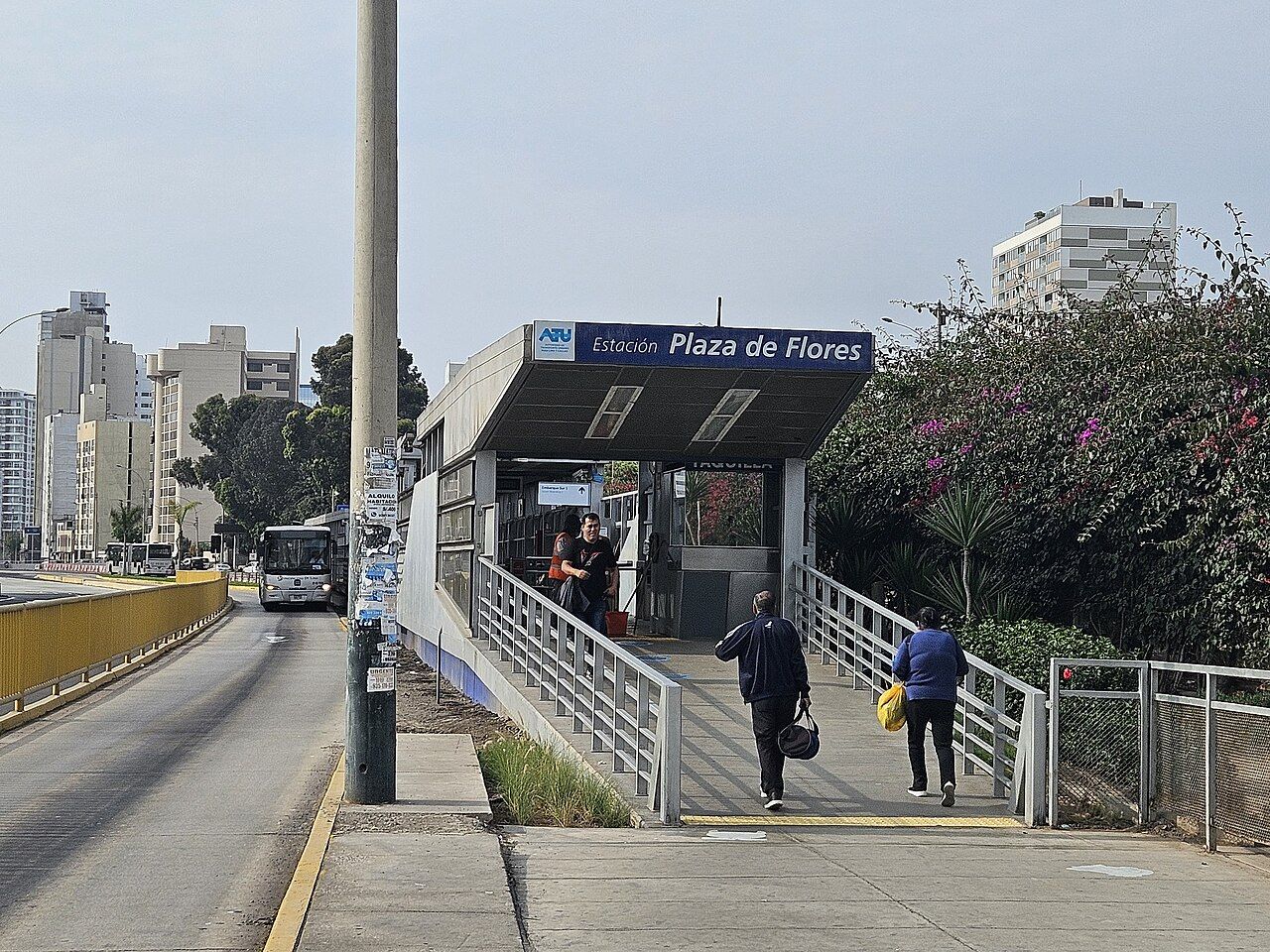 Camera: TomasVial | CC0 1.0 Universal

Express routes
Besides the regular buses that stop at every station, express services skip most stops and save a lot of time. Each route has a letter or number shown on screens and maps in the stations. Check the route map before you board, and look at the screen on the front of the bus. At peak times, the buses are very full; keep your bag in front of you.
The metro
Lima's metro Line 1 is an elevated electric train that runs from the southern district of Villa El Salvador through the centre to the northeast. It is fast and reliable but runs through few of the areas visitors tend to stay in. It is useful for reaching some markets and for seeing everyday Lima from above. Line 2, running east to west, has opened in stages, and further lines are planned. The metro uses its own card system, and the networks are still being joined up.
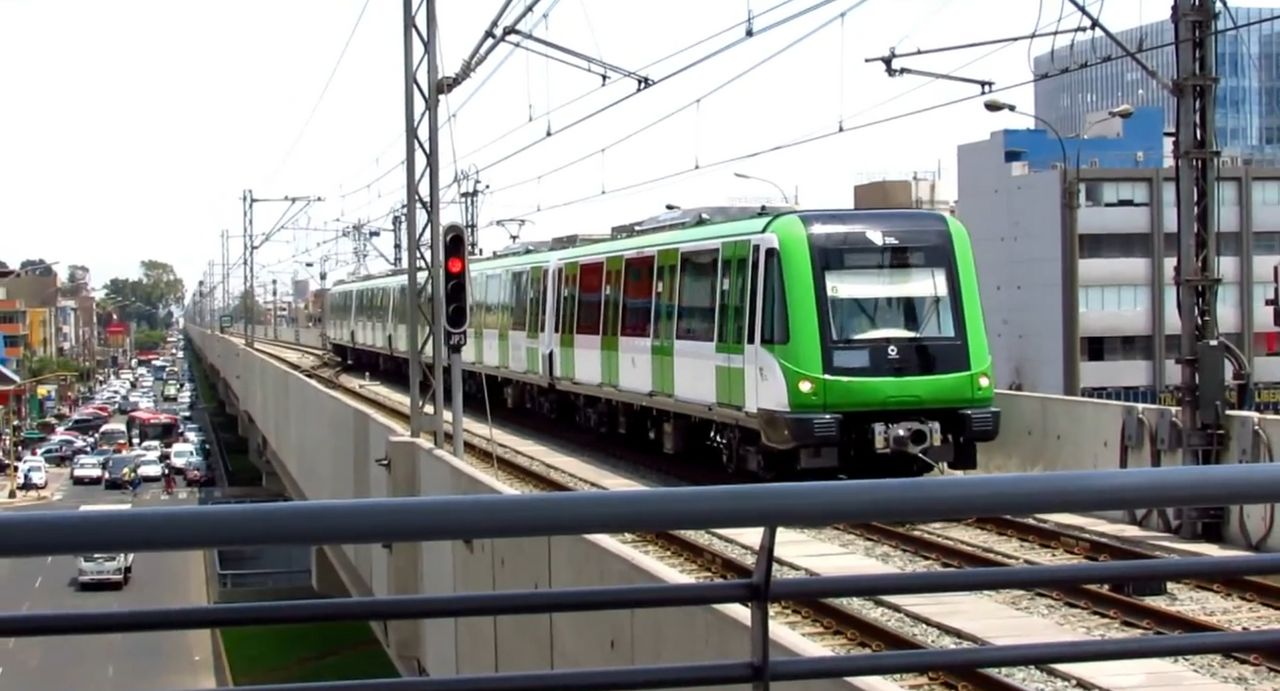 Camera: James C | Creative Commons BY-SA 2.0

Combis, micros and corridors
The rest of Lima's public transport is a dense mesh of privately run minibuses, called combis, and larger buses known as micros. They are cheap and they go almost everywhere, but they can be confusing. Routes are painted on the side and shown on cards in the windscreen, and a conductor, the cobrador, leans from the door calling out destinations. You pay the cobrador in cash.
Next: Staying safe and sensible in Lima
The city has also built several bus corridors with more orderly services on fixed routes. The best known for visitors runs along Avenida Arequipa between Miraflores and the centre. These buses are more comfortable than combis, and payment is by card. For short hops in Miraflores and Barranco, though, walking is often faster.
- Have small coins ready; drivers rarely carry change for large notes.
- Say "baja" (getting off) clearly to the cobrador before your stop.
- Keep your phone in a front pocket; crowded buses are where pickpockets work.
Taxis and ride apps
Taxis are everywhere and cheap by international standards, but street taxis in Lima have no meters. You agree the fare before you get in. Ask a local or check an app for a rough idea of the right price, then name a figure and hold to it politely. If the driver refuses, wait for the next car.
Many visitors and Limeños prefer ride apps, which show the driver's details and fix the price before the trip. Several services operate in the city. They are not always cheaper, but they remove the bargaining and leave a record of the journey. At night, especially, an app or a taxi called by a restaurant is the safer choice. For more on staying alert in cars and at night, read the guide to staying safe.
From the airport, use the official taxi services inside the terminal or an app pickup, rather than an offer from someone in the car park.
Traffic and timing
Lima's traffic is heavy, unpredictable and often impressive in its chaos. Rush hours run roughly from seven to ten in the morning and from five to eight in the evening, and on Fridays and before holidays it can feel like the whole city is on the move. Rain is rare, but an accident on a main avenue can block things for an hour. Plan sightseeing outside peak times, and allow extra margin for anything time-critical such as a bus out of the city.
When crossing streets, do not assume drivers will stop at pedestrian crossings. Look both ways even on one-way streets, and watch for motorbikes squeezing between lanes.
On foot and by bike
Some of Lima's best experiences are on foot. The clifftop parks of the Miraflores Malecón run for kilometres above the sea, and you can walk from Miraflores to Barranco along them in under an hour. The historic centre is compact and best seen on foot by day. Cycle lanes run along the Malecón and some avenues, and bike hire is available in Miraflores. A little sense about traffic and an early start are all you need. Weekend mornings, when the avenues are quieter, are the best time to try a longer ride along the coast.