
 Camera: Miguel Angel Chong | Creative Commons BY 3.0
You can get by in Miraflores with English, but step into a market, a bus or a family-run lunch spot and Spanish becomes essential. Limeños speak a clear, fairly slow Spanish that is easier to follow than many accents in Latin America. Even a few words and a friendly attempt open doors and smooth over awkward moments.
This guide covers the basics you will use every day, the numbers for shopping, and some of the slang you will hear on the street. You do not need to master it all. Pick the phrases you are likely to need and practise them before you arrive. Saying them out loud a few times, rather than just reading them, makes a real difference when the moment comes.
Greetings and politeness
Peruvians tend to be polite and a little formal, especially with strangers and older people. Greeting someone before you ask a question is normal, and skipping it can come across as rude.
- Buenos días: good morning, until about midday.
- Buenas tardes: good afternoon, until dark.
- Buenas noches: good evening or good night.
- Por favor and gracias: please and thank you. Use them often.
- Disculpe: excuse me, for getting attention or squeezing past.
- Con permiso: excuse me, when leaving a table or passing someone.
Use the polite form, usted, with people you do not know, especially older people or anyone serving you. It shows respect. Younger Limeños among friends use the informal tú.
When you meet someone socially, a handshake is common between men, and a single kiss on the right cheek is usual between women or between a man and a woman. Follow the lead of the person you are greeting.
 Camera: Jonathan M. Corredor O | Creative Commons BY-SA 4.0

Numbers for markets and taxis
Numbers are worth learning first, because you need them every time you pay. Peruvian prices are in soles, and the word for the currency is sol, plural soles.
| Number | Spanish |
|---|---|
| 1, 2, 3 | uno, dos, tres |
| 4, 5, 6 | cuatro, cinco, seis |
| 7, 8, 9, 10 | siete, ocho, nueve, diez |
| 15, 20 | quince, veinte |
| 30, 50 | treinta, cincuenta |
| 100 | cien |
Useful phrases include ¿Cuánto cuesta? (how much is it?), ¿Cuánto es? (how much is it, when paying) and Un kilo, por favor. Prices are often quoted per kilo in markets, and fruit is sold by weight or by the piece.
Next: Market mornings in Surquillo
Haggling politely
In markets for fruit, vegetables and meat, prices are usually fixed and low, and haggling is not expected. At craft stalls, though, a bit of bargaining is normal. Do it with a smile, and remember that a small difference may matter much more to the seller than to you.
- ¿Me hace un descuento?: can you give me a discount?
- ¿Cuál es su último precio?: what is your best price?
- Está bien, gracias: that is fine, thank you. Use it to accept, or to leave politely.
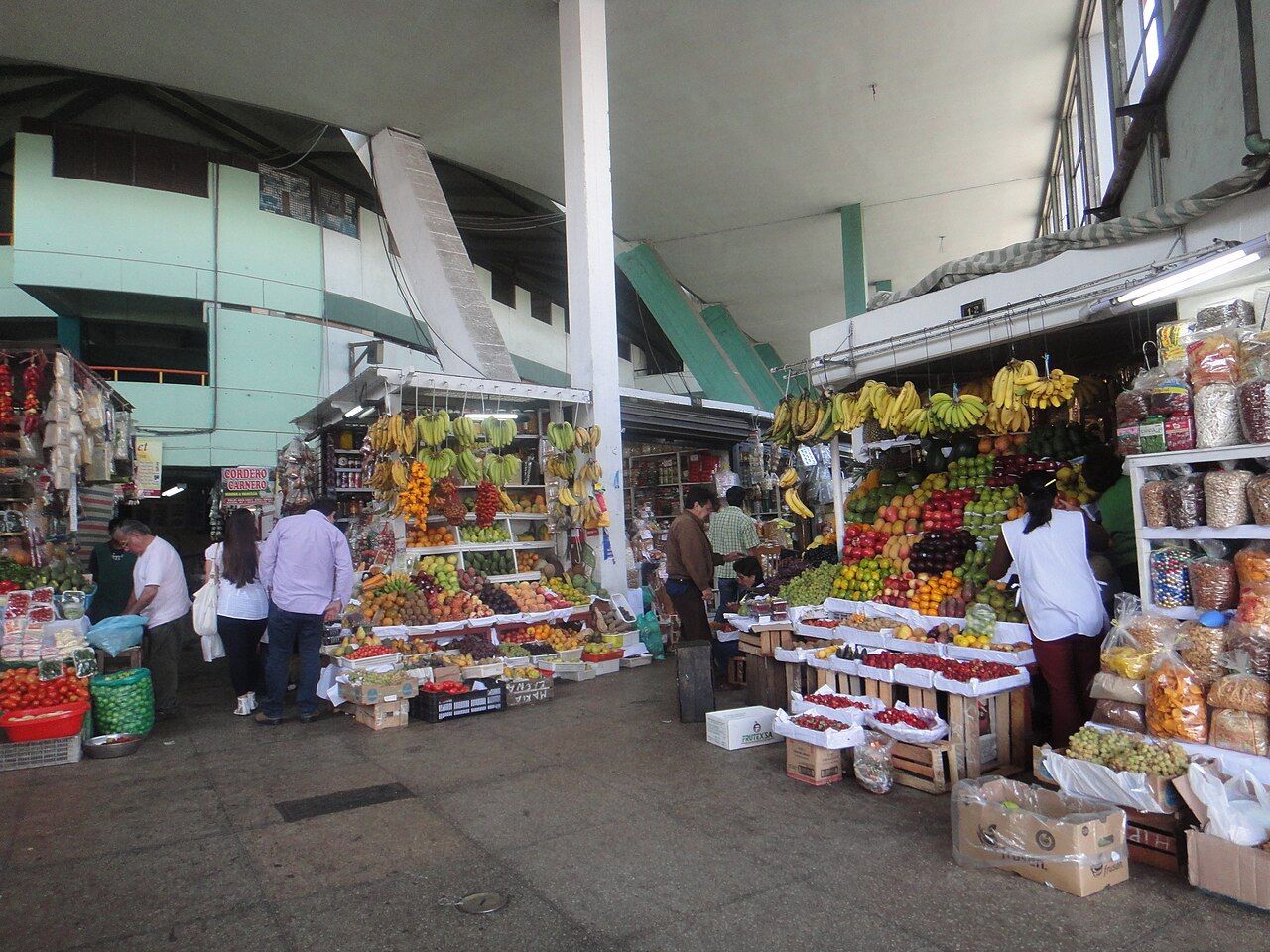
At the market, regulars call the vendor casera or casero, a friendly word that means something like "my usual seller". Using it marks you as a friendly customer, and you may receive a yapa, a little extra thrown in for free. The habit is part of daily life at markets such as the Surquillo market, where you can practise your numbers among the fruit stalls.
Limeño slang
Lima has its own street vocabulary, called jerga. You do not need to use it, and you should be careful with some of it, but recognising a few words helps you follow conversations.
- Chévere: great, cool. "Qué chévere" means "how great".
- Bacán: another word for cool or excellent.
- Pata: friend, mate. "Es mi pata" means "he is my friend".
- Causa: also a word for friend, as well as the name of a potato dish.
- Jato: house, home. "Vamos a mi jato" means "let's go to my place".
- Al toque: right away, immediately.
- Chamba: work, a job.
- Luca: one sol, in money talk.
Some slang is rude or depends heavily on tone, so stick to the friendly words. Using chévere or al toque at the right moment usually gets a smile.
Words for food and drink
Menus and market stalls are where your Spanish gets its best workout. A few key words help you order with confidence.
- El menú: the set lunch, usually a starter, main course and drink at a low price. The guide to the menú explains how it works.
- Picante: spicy. Sin ají: without chilli.
- La cuenta, por favor: the bill, please.
- Para llevar: to take away.
- Agua sin gas / con gas: still or sparkling water.
If you are curious about the city's signature dish, the guide to ceviche at lunchtime adds the words you need for that, from leche de tigre to tiradito.
Getting around in Spanish
On buses and in taxis, a few phrases help. ¿Va a Miraflores? asks if a bus goes to Miraflores. Baja tells the conductor you are getting off. In a taxi, ¿Cuánto me cobra hasta…? asks how much the fare is to a destination. Aquí, por favor means "here, please" when you want to stop.
Do not worry about mistakes. Most Limeños are patient and pleased that you are trying. Speak slowly, smile, and ask people to repeat with ¿Puede repetir, por favor? The effort itself is what counts, and after a week or two the everyday phrases start to come without thinking.