
 Camera: Hannes Grobe 21:31, 5 November 2006 (UTC) | Creative Commons BY-SA 2.5
Surquillo is a working district just east of Miraflores, across the busy Via Expresa. Its main market, the Mercado de Surquillo, is one of the best places in Lima to see, smell and taste the produce that makes Peruvian food famous. It is a short walk from the heart of Miraflores, yet it feels like a different city, with vendors calling out prices, cooks buying for their kitchens and families doing the weekly shop.
A morning here is one of the cheapest and most rewarding things you can do in Lima. Come hungry, carry small change and let the stallholders guide you.
Finding your way around
The market is a large, covered building divided into sections. Fruit and vegetables take up a big part of it, with separate areas for meat, poultry, fish and seafood, dry goods, herbs, flowers and cooked food. Smaller stalls sell spices, cheeses, olives, grains and kitchen tools.
It can feel chaotic at first. Walk slowly, look around before you buy, and do not be afraid to ask questions. Most vendors are friendly and patient, especially if you try a little Spanish. A phrase or two from the guide to Spanish for Lima goes a long way.
The market is busiest in the morning, when the produce is freshest and the cooks are shopping. By mid-afternoon many stalls start to close, so plan to arrive early, ideally before ten.
Andean fruits to try
Peru's range of climates, from desert coast to Andes to Amazon, means its markets are full of fruits you may never have seen before. A few to look for:
- Lucuma: a round fruit with green skin and dry, orange flesh that tastes of maple and sweet potato. It is rarely eaten raw but is a favourite flavour for ice cream, shakes and desserts.
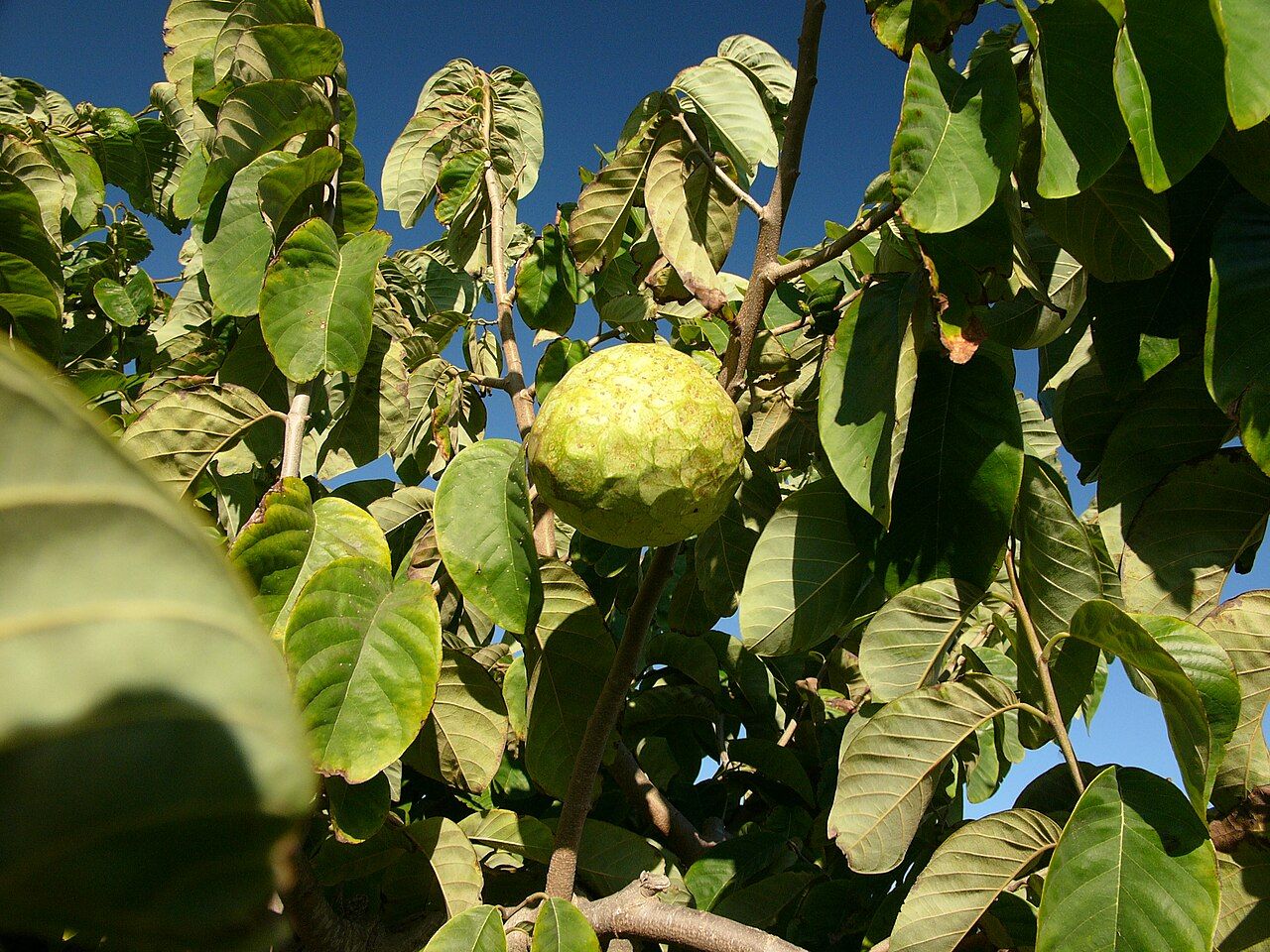
- Chirimoya: the custard apple, with green, scaly skin and creamy white flesh that tastes of pear, banana and vanilla. Eat it with a spoon and spit out the black seeds.
- Aguaymanto: the golden berry, a small orange fruit in a papery husk, sweet and tart at once.
- Granadilla: a passion fruit with a hard orange shell and sweet, jelly-like seeds you slurp straight from the shell.
- Pacay: long green pods filled with seeds wrapped in sweet, cottony white pulp.
- Tuna: not fish but prickly pear, the fruit of a cactus, sold peeled and ready to eat.
Next: The menu, Lima's everyday feast
Many fruit sellers will cut a piece for you to taste, especially if you show interest. Buy a mixed bag of whatever looks good, and take it back to your room or a park bench for a fruit picnic. Wash or peel anything you eat raw, as the tap water in Lima is not safe to drink.
Juices and breakfasts
One of the best things about the market is its juice stalls. Pick your fruits and the vendor blends them with water or milk into a large glass, often with a refill from the jug left in the blender. Try papaya, mango, pineapple, strawberry, lucuma or a mix. Ask for it without sugar, sin azucar, if you prefer it less sweet.
The cooked food section serves breakfasts and lunches at counters with stools. For breakfast, look for tamales, corn dough steamed in leaves with a filling of chicken or pork, or a sandwich of chicharron, fried pork, with sweet potato and onion relish. At lunch, the counters serve set menus and soups, and some specialise in ceviche, which in Lima is eaten at midday.
Ordering at a market stall
Ordering at a market stall is easy once you know how. Point at what you want, say how much you would like, and the vendor will weigh it and tell you the price. Fruit and vegetables are sold by the kilo or by the unit, so ask "cuanto cuesta el kilo?" (how much per kilo?) if there is no sign.
Prices at the market are generally low, though they can be higher for unusual fruits or out-of-season produce. Bargaining is not usual for small amounts, but buying several items from the same stall may earn you a little extra, called a yapa. Carry small notes and coins, as vendors may not have change for large bills.
At the cooked food counters, sit down, ask what is on the menu today and order. Pay when you finish. Tips are not expected at market stalls, but rounding up is appreciated.
Prices and practicalities
The market is very cheap by any standard, and a full breakfast or a bag of fruit costs very little. Compare a few stalls before you buy.
Keep your wallet and phone in a front pocket or a zipped bag, as markets are busy places. Use the market toilets, which usually charge a small fee, and bring your own tissues.
If you enjoy the market, you will probably also enjoy Lima's ceviche at lunchtime and the cheap set lunches described in the guide to the menu del dia. Together they make up much of the daily diet of the city, and they are the best way to eat well on a budget.
Across the Via Expresa
The market is a short walk from the centre of Miraflores. Cross the Via Expresa using one of the footbridges or the crossings at the main avenues, and follow the signs or ask for the mercado. Taxis can also drop you at the entrance. Go in the morning, take your time and leave with a bag full of fruits to try.