
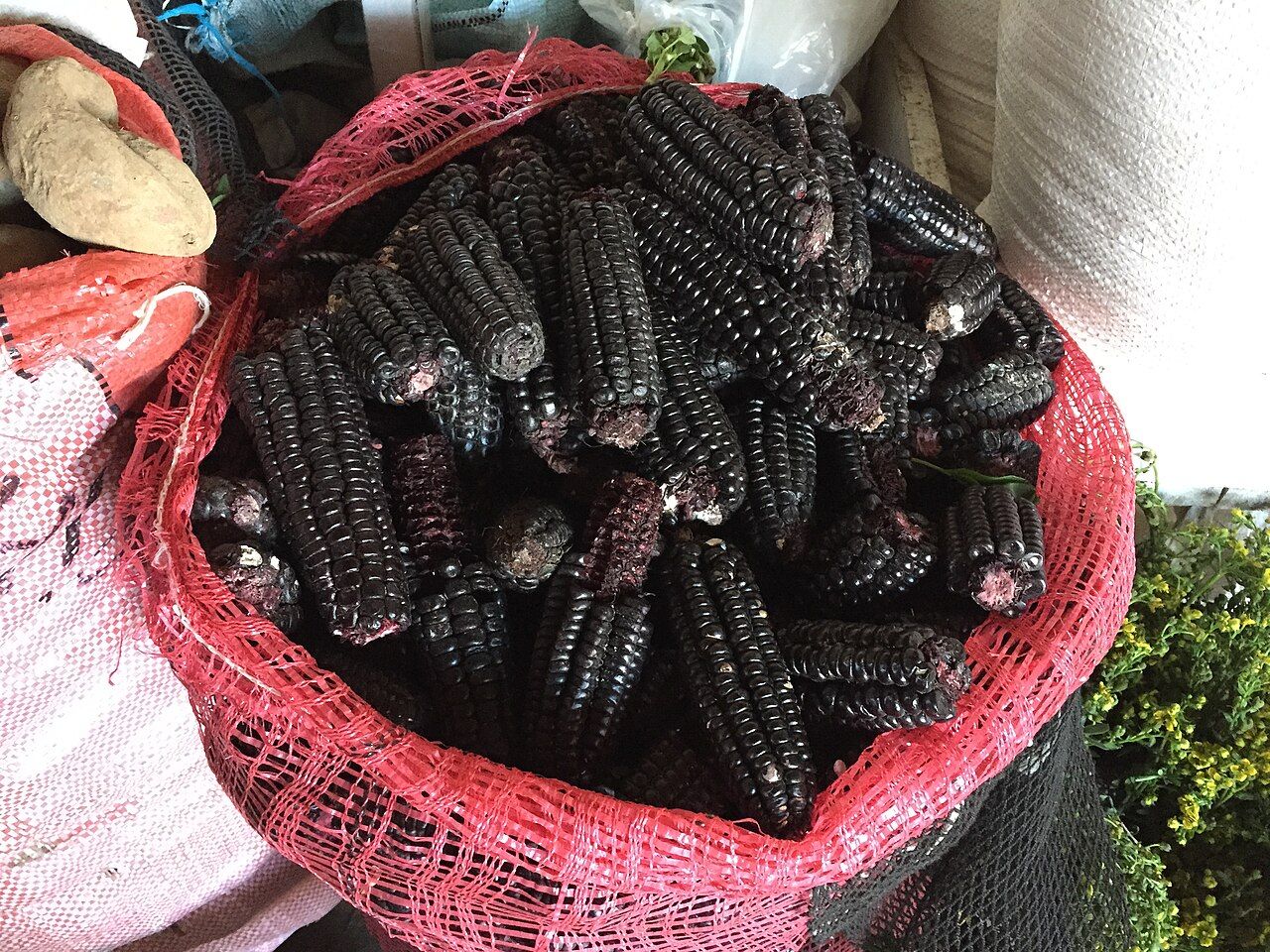
 Camera: Richard H. Moore | Creative Commons BY-SA 4.0
Peru's drinks are as distinctive as its food. The pisco sour, frothy and sharp, is the country's national cocktail. Chicha morada, a sweet, spiced drink made from purple corn, is served with lunch in homes and restaurants across Lima. A bright yellow soda is drunk with everything from ceviche to fried rice. And Peruvian coffee, grown in the Andes and the Amazon, is getting better every year.
Knowing what to order, and how to enjoy it sensibly, is part of getting to know the city.
What pisco is
Pisco is a grape brandy, a clear spirit distilled from wine made from grapes grown in the valleys of Peru's southern coast. It has been made in Peru since the colonial period, and it is named after the port of Pisco, south of Lima, from which it was once shipped.
There are several types. Puro is made from a single grape variety, often quebranta, and has a clean, earthy flavour. Acholado is a blend of grapes. Mosto verde is distilled from wine that has not finished fermenting, which gives it a softer, fruitier taste. Peru and Chile both make pisco and both claim it as their own, a rivalry that can make for lively conversation.
The pisco sour
The pisco sour is made by shaking pisco with lime juice, sugar syrup, egg white and ice, then pouring it into a glass and topping the foam with a few drops of bitters. The result is frothy, tart and sweet, and it is very easy to drink.
Pisco sours are served everywhere in Lima, from bars to restaurants to the most modest neighbourhood places. Prices vary widely. On a budget, look for places with a happy hour, or order one with dinner rather than making a night of it.
Other pisco drinks to try include the chilcano, pisco with ginger ale, lime and bitters, a lighter and more refreshing choice, and the algarrobina, a creamy drink made with pisco, carob syrup, milk and egg.
Drinking sensibly
Pisco is strong, usually around 40 percent alcohol or a little more, and pisco sours are deceptively easy to drink. One or two is plenty for most people, especially if you are not used to it. Drink water between rounds, eat something, and know your limits.
If you go out at night, plan your trip home in advance. Use a registered taxi or an app car, and avoid flagging down taxis on the street late at night. Keep an eye on your drink, and do not leave it unattended. Read the guide to staying safe in Lima for more.
Next: Ceviche, a dish for the middle of the day
Chicha morada
Chicha morada is a non-alcoholic drink made by boiling purple corn, maiz morado, with pineapple peel, cinnamon and cloves, then straining the liquid and sweetening it with sugar. Lime juice is often added just before serving, and some cooks add chopped fruit.
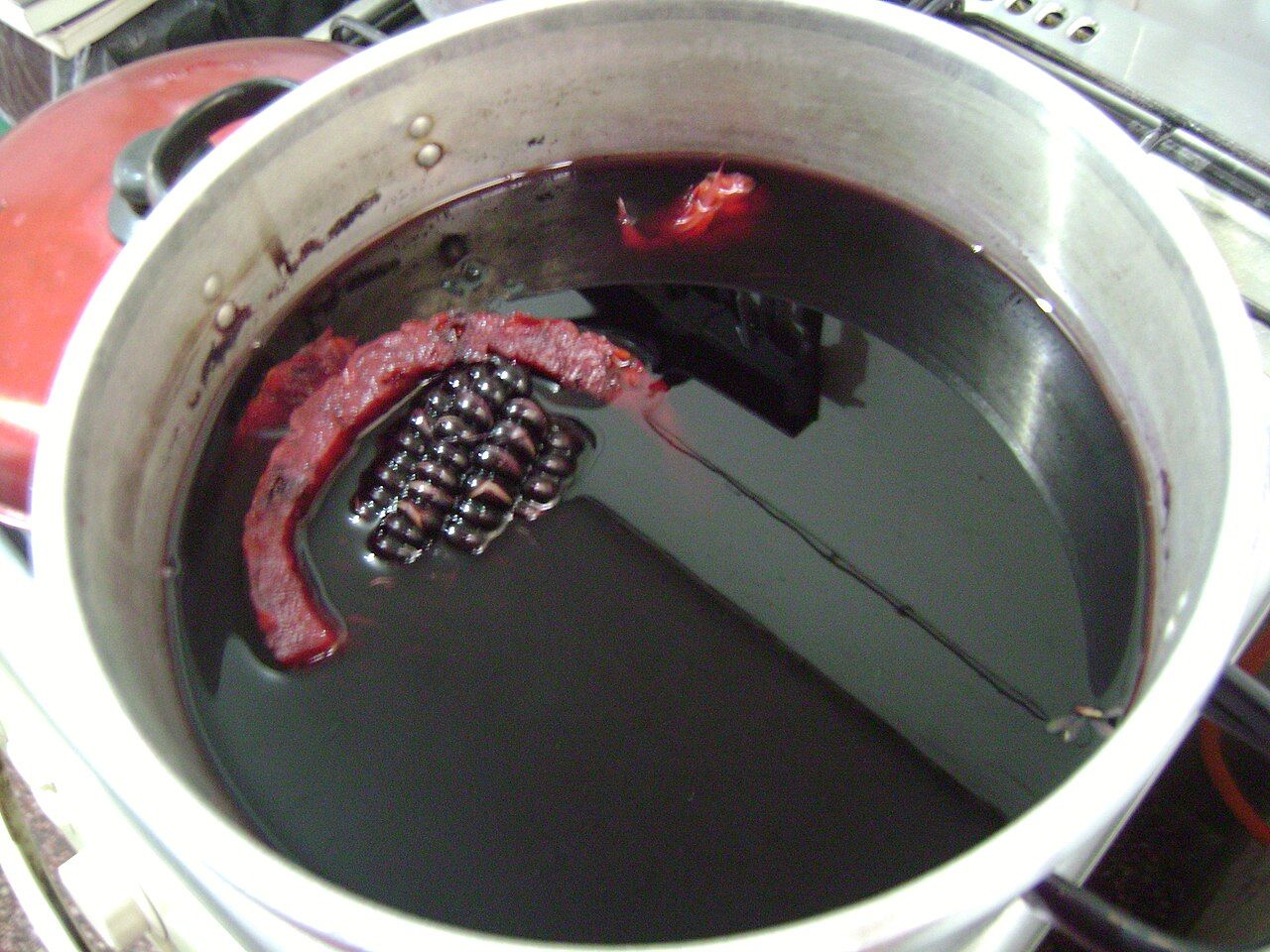 Camera: Dtarazona | public domain

The result is a deep purple drink, sweet and spiced, with a flavour a little like mulled fruit juice. It is served cold with lunch, and it often comes free with a set lunch menu. You can also buy it in bottles and cartons in shops and markets.
Purple corn is also used to make mazamorra morada, a thick, sweet pudding often served with rice pudding. Look for it at markets and food stalls.
Chicha de jora is a different drink: a fermented corn beer, traditional in the Andes, mildly alcoholic and slightly sour. You are more likely to find it in the highlands than in Lima.
The yellow soda
Peru has its own soft drink, a bright yellow soda with a sweet flavour often compared to bubblegum or cream soda and said to come from lemon verbena, hierba luisa. It is hugely popular, and many Peruvians drink it with every meal, especially with chifa and ceviche.
You will see it everywhere, in bottles of every size, and it is worth trying at least once. If you prefer something less sweet, ask for sparkling water, agua con gas, or a fruit juice.
Fresh juice is the other everyday drink. Juice stalls in markets blend papaya, mango, pineapple, passion fruit or lucuma to order, often with a second glass poured from what is left in the blender. Ask for it without sugar, sin azucar, if you prefer it tart. Emoliente, a warm herbal drink sold from street carts in the mornings, is another local habit worth trying on a grey day.
Coffee in Lima
Peru grows excellent coffee, mostly in the high jungle on the eastern slopes of the Andes. For a long time, most of the best beans were exported, and Lima's cafes served instant coffee or strong, bitter brews. That has changed, and Lima now has a growing number of cafes serving Peruvian specialty coffee.
You will find them mostly in Miraflores, Barranco and San Isidro. Prices are higher than in a neighbourhood cafe, but still reasonable. In local places, coffee is often served as a concentrated essence in a jug on the table, which you mix with hot water or milk to taste.
Where to drink
For a pisco sour with a view, the bars and restaurants of Barranco and Miraflores are the obvious choices. For chicha morada, try a set lunch in any neighbourhood, or a juice stall at the Surquillo market. For coffee, head to the cafes of Miraflores and Barranco.
Tap water in Lima is not safe to drink, so buy bottled water, or carry a filter bottle. Ice in restaurants is usually made from purified water, but if in doubt, ask for your drink sin hielo, without ice.