
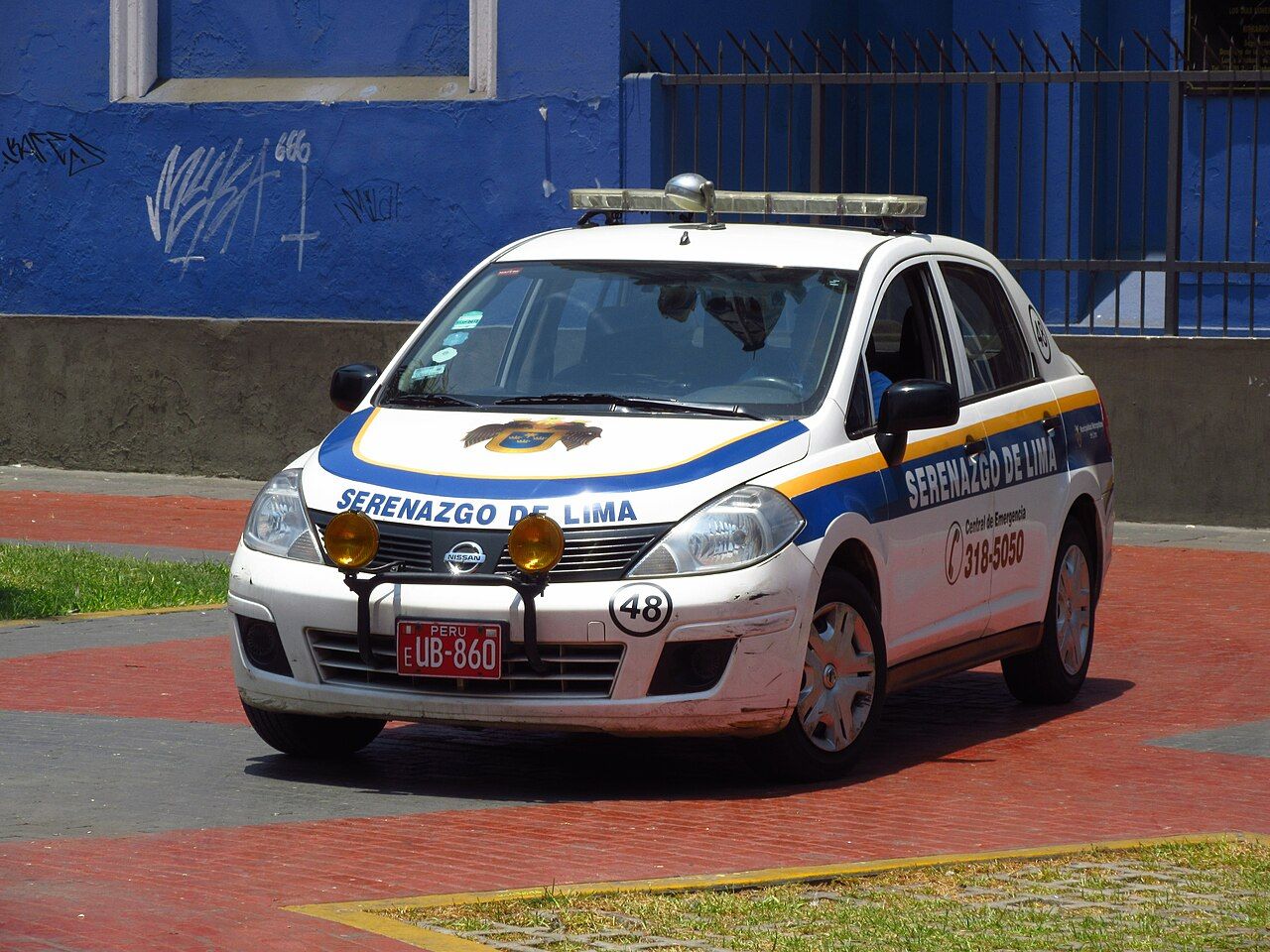
 Camera: Felipe Restrpo Acosta | Creative Commons BY-SA 4.0
Lima is a big, busy capital with the same mix of risks as any large city in the world. Most visitors spend their time in the city without any problems at all. The most common trouble is petty theft: a phone snatched, a bag lifted from a chair, a pocket picked on a crowded bus. A few sensible habits make you a much harder target.
Phones, bags and money
Phones are the item most often stolen in Lima, as in many cities. Thieves on foot or on motorbikes grab them from hands, tables and car windows. The fix is simple: do not walk along the street with your phone out. If you need directions, stop somewhere sheltered, check, and put it away. Do not leave it on a cafe or restaurant table.
- Keep bags closed and in front of you in crowds and on buses.
- Never hang a bag on the back of a chair; keep it on your lap or looped round a leg.
- Carry only the cash and one card you need for the day. Leave a spare card and your passport locked away, with copies on your phone.
- Use cash machines inside banks, shopping centres or supermarkets, preferably in daylight.
If someone does grab something, let it go. Belongings can be replaced; confrontations can turn serious quickly.
Neighbourhoods and getting around
Every district in Lima has quiet streets and busier ones, calm daytimes and livelier nights. Rather than label areas, it is more useful to think about time and context. Busy, well-lit streets with people around are generally comfortable. Empty side streets late at night, anywhere, deserve more care. Ask locally about any area you plan to visit, and adjust as you go.
The historic centre, for example, is full of life and well worth exploring, and it is at its best by day, when the squares, churches and markets are busy. In the evenings, many visitors return to their own district by taxi rather than walking long distances.
Next: Getting around: the Metropolitano and taxis
Taxis and transport
Taxis are generally safe, but it pays to be choosy. Use a ride app, which records the driver and the route, or ask a restaurant or your accommodation to call a taxi for you. Avoid hailing unmarked cars on the street at night. Keep your bags on the floor or on your lap rather than on the seat beside you, and keep windows mostly up in slow traffic, so no one can reach in.
On the Metropolitano and buses, keep your bag in front of you and your phone out of sight, especially at rush hour. The guide to getting around Lima has more on the transport system and on agreeing taxi fares.
Nights out
Lima has a lively nightlife, especially in Barranco and Miraflores. Enjoy it, but use the same common sense you would at home.
- Keep an eye on your drink, and do not accept drinks from strangers.
- Pisco cocktails are strong. Pace yourself; the guide to pisco and chicha has more on that.
- Go out with friends and come home together, by ride app or a taxi called from the venue.
- Carry only what you need for the evening.
Be wary of overly friendly strangers who quickly suggest moving on to another bar, a private party or a cash machine. Politely say no and stay with your group.
Scams and common tricks
Most scams in Lima are versions of tricks used worldwide. Someone spills something on you and helpfully cleans it up while an accomplice takes your bag. A stranger points out a "stain" on your clothes. A fake official asks to see your money or passport. In each case, step away, keep hold of your belongings, and if someone claims to be police, ask to go to a station.
Counterfeit notes do circulate. Check bills when you receive change, especially larger ones, and pay with smaller notes when you can.
Police and help
Lima's municipal districts run their own security patrols, called the Serenazgo, whose white cars and officers you will see in parks and main streets. They can help in an emergency and direct you to the national police. There is also a tourist police service in the main visitor areas, used to helping foreigners report theft. If something is stolen, report it to the police and get a written report for insurance. Most insurers will not pay a theft claim without one, so it is worth the hour it takes.
Keep your embassy's contact details on your phone and on paper. Before you travel, take out travel insurance that covers theft and medical care, and know how to block your cards quickly if they are lost.
Health and the sea
Safety is not only about crime. Lima's beaches have strong currents and cold water; swim only where others do, and never alone. Drink bottled or treated water, and choose busy food stalls with fast turnover. For seafood, the guide to ceviche at lunchtime explains why freshness matters.
With a little care, Lima is a great city to explore. Keep your valuables out of sight, use sensible transport at night, and you can spend your time enjoying the food, the coast and the people.