
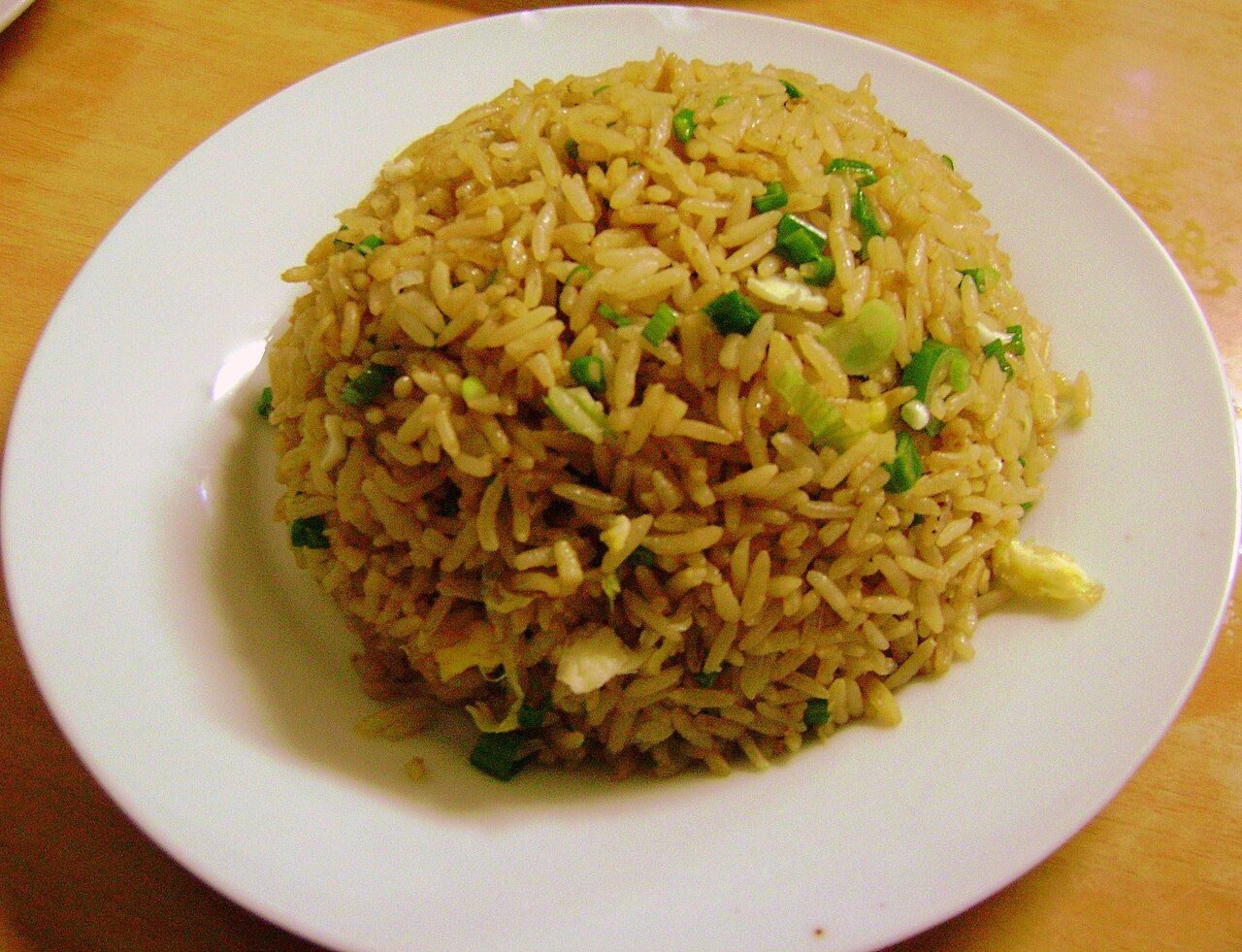
 Camera: Dtarazona | public domain
Peru has a long relationship with China, and nowhere is it more obvious than on the table. Chifa, the name for Chinese-Peruvian cooking, is one of the most popular styles of food in the country, with restaurants in every town and dishes that have become part of everyday Peruvian cooking. In Lima, the heart of chifa is the Barrio Chino, Chinatown, a few blocks from the Plaza Mayor.
A visit to Chinatown is easy to combine with a walk through the historic centre, and a chifa meal is one of the best-value lunches in the city.
A history of migration
Chinese migrants began arriving in Peru in the mid-nineteenth century, many of them from the south of China. Most came as contract labourers, working on coastal plantations, on the railways and on the guano islands off the coast. Conditions were harsh, and many workers suffered terribly.
When their contracts ended, many settled in Lima and other towns, opening shops and small restaurants. They brought with them their cooking techniques, the wok and ingredients like soy sauce and ginger, and adapted them to Peruvian produce. Over time, Chinese and Peruvian flavours blended into a new style, and Chinese-Peruvian families became part of the fabric of the city.
The word chifa is often said to come from a Cantonese phrase meaning to eat rice or to eat a meal. Today it refers both to the food and to the restaurants that serve it.
The Barrio Chino and Calle Capon
Lima's Chinatown is centred on Calle Capon, a pedestrian street a short walk east of the Plaza Mayor, near the Mercado Central, the central market. A large Chinese arch marks the entrance to the street, and the pavement has stars bearing the names of members of the Chinese-Peruvian community.
The streets around Calle Capon are busy and crowded, full of shops selling Chinese goods, herbs, tea, sauces and kitchen tools, as well as bakeries and restaurants. It is a lively place to wander, especially at lunchtime, when restaurants fill with families and office workers.
Next: Colonial Lima by daylight
The area is very busy, and pickpockets work the crowds, so keep your belongings close and your phone in a front pocket. Visit during the day, and combine it with a walk through the historic centre and the central market.
What to order
Chifa menus are long, but a few dishes are classics:
- Arroz chaufa: fried rice with egg, spring onion, soy sauce and pieces of chicken, pork or beef. It is the most popular chifa dish and is found all over Peru.
- Tallarin saltado: stir-fried noodles with vegetables and meat.
- Wantan frito: fried wonton, often served with a sweet and sour sauce.
- Sopa wantan: wonton soup, a light broth with dumplings and vegetables.
- Pollo chi jau kay: crispy fried chicken in a sticky soy and ginger sauce.
- Aeropuerto: a mix of fried rice and fried noodles, piled high on one plate.
Kion, the Peruvian word for ginger, and sillao, soy sauce, are the base of many chifa dishes. Portions are generous, and one main dish is often enough for two people. Many chifas also serve a set lunch menu with soup, a main and a drink.
Chifa beyond Chinatown
You do not need to go to Chinatown to eat chifa. Chifas are found in every neighbourhood of Lima, from small family places to large restaurants with banquet halls. Many Peruvians eat chifa regularly, and it is a common choice for family celebrations.
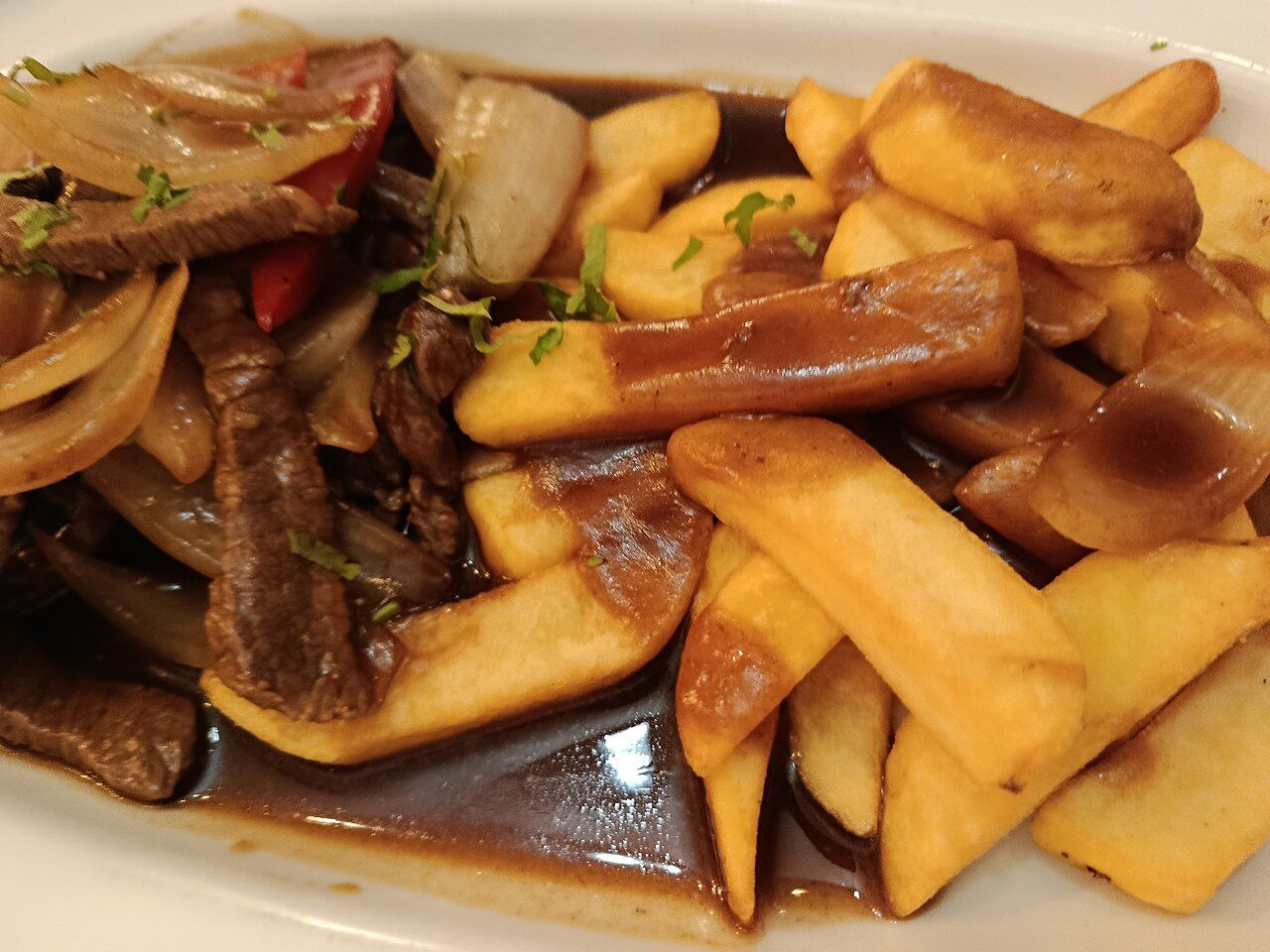 Camera: Francesc Fort | Creative Commons BY-SA 4.0

Chifa has also influenced Peruvian cooking more widely. Lomo saltado, the stir-fried beef with fries and rice that appears on almost every lunch menu, uses the wok and soy sauce introduced by Chinese cooks. Arroz chaufa often appears on lunch menus too, and you will see it served with other dishes as a side.
Eating well in Chinatown
Chinatown has restaurants for every budget. On a budget, look for the small places on the side streets with a set lunch menu, or order a plate of chaufa or noodles to share. Prices are low.
Many chifas also serve dim sum, small dishes of dumplings and buns, especially at weekends. These are often more expensive than the set lunches but good for sharing.
Ordering is relaxed. Menus can run to dozens of dishes, often numbered, so pointing works fine. Ask the waiter what is most popular, and do not over-order: two mains and a soup will feed three people comfortably. Leftovers are normal, and most places will happily pack them up for you to take away. Bakeries on the side streets sell sesame balls, sweet buns and moon cakes, which make a cheap snack for the walk back to the Plaza Mayor.
Drink a cup of jasmine tea with your meal, or try a glass of chicha morada, the purple corn drink. Peruvians also like to pair chifa with the bright yellow local soda that tastes faintly of lemon verbena, a pairing explained in the guide to Peruvian drinks.
From the Plaza Mayor on foot
Chinatown is a short walk from the Plaza Mayor. Head east along Jiron Ucayali or Jiron Andahuaylas towards the central market, and you will find the arch at the entrance to Calle Capon. The Metropolitano bus stops at stations a few blocks away. Read getting around Lima for more.
Combine Chinatown with a morning in the historic centre and a lunch of chifa, and you have one of the best and cheapest days out in Lima.