
 Camera: Laslovarga | Creative Commons BY-SA 4.0
Pueblo Libre is a quiet, residential district between the centre of Lima and the sea at San Miguel. It does not have the cliffs of Miraflores or the nightlife of Barranco, but it has two things that make it worth an afternoon: the Larco museum, with one of the finest collections of ancient Peruvian art anywhere, and a tree-lined old square that feels a world away from the city's traffic.
Most visitors come for the museum and leave straight after. Stay a little longer and wander, and you will find a slower side of Lima, with old houses, local bakeries and families out for a walk.
The Larco museum
The Larco museum occupies an eighteenth-century mansion set in a garden. The collection was started in the 1920s by a Peruvian archaeologist and collector, and it has grown into tens of thousands of objects covering thousands of years of history before the Spanish arrived.
The galleries are arranged to tell the story of ancient Peru, from early hunter-gatherers to the Inca empire. Displays are clear and labelled in Spanish and English, and the rooms are cool and calm after the heat outside. Give yourself at least two hours; many people stay longer.
What to look for
The Larco is best known for its ceramics, especially those made by the Moche, who lived on Peru's north coast between roughly the first and eighth centuries. Moche potters made remarkably lifelike portrait vessels, faces of real people with scars, frowns and smiles, as well as pots in the shapes of animals, plants and houses. Many have a stirrup-shaped spout, a hollow handle that loops over the top.
Other highlights include:
- Gold and silver jewellery, crowns and ear ornaments, displayed in a darkened vault.
- Textiles from the south coast, some still bright after many centuries.
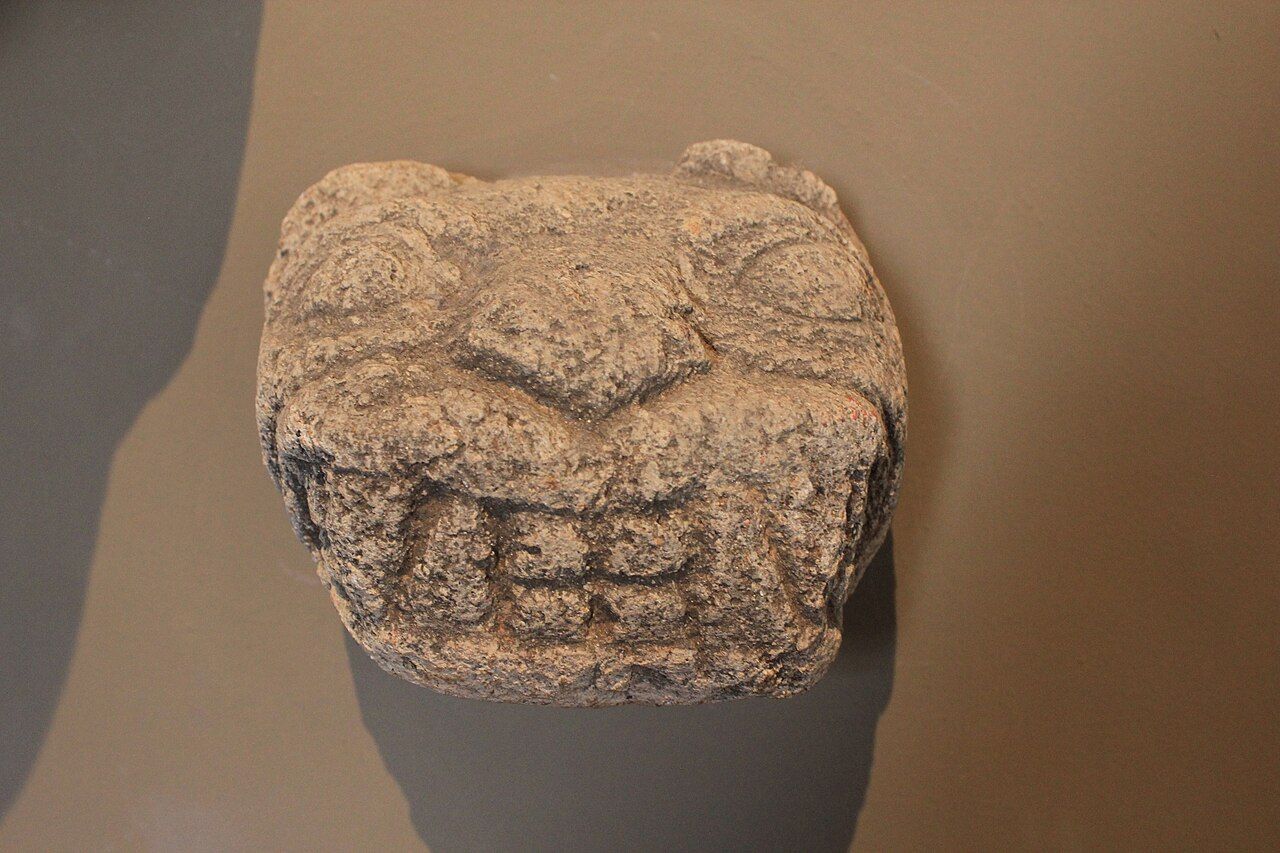
- Stone carvings and ritual objects from the Andes.
- A separate gallery of erotic ceramics, which is popular, frank and not for young children.
One unusual feature is the museum's storerooms, which are open to visitors. Shelf after shelf of pots, figures and vessels stand behind glass, and walking through them gives you a sense of just how much was made and how much survives.
The garden and the cafe terrace
The museum's garden is a pleasure in itself. White walls are draped in bougainvillea in shades of pink, purple and red, and there are benches and shady corners where you can sit and rest. The garden is free to enjoy with your museum ticket, and it makes a calm place to digest what you have seen.
Next: Colonial Lima by daylight
There is a cafe on site, with a terrace looking over the garden. It is not cheap by Lima standards, so on a tight budget you may prefer to eat before or after in the district, where set lunch menus cost a fraction of the price. The museum charges an entry fee and has its own opening hours, often running into the evening.
The old district square
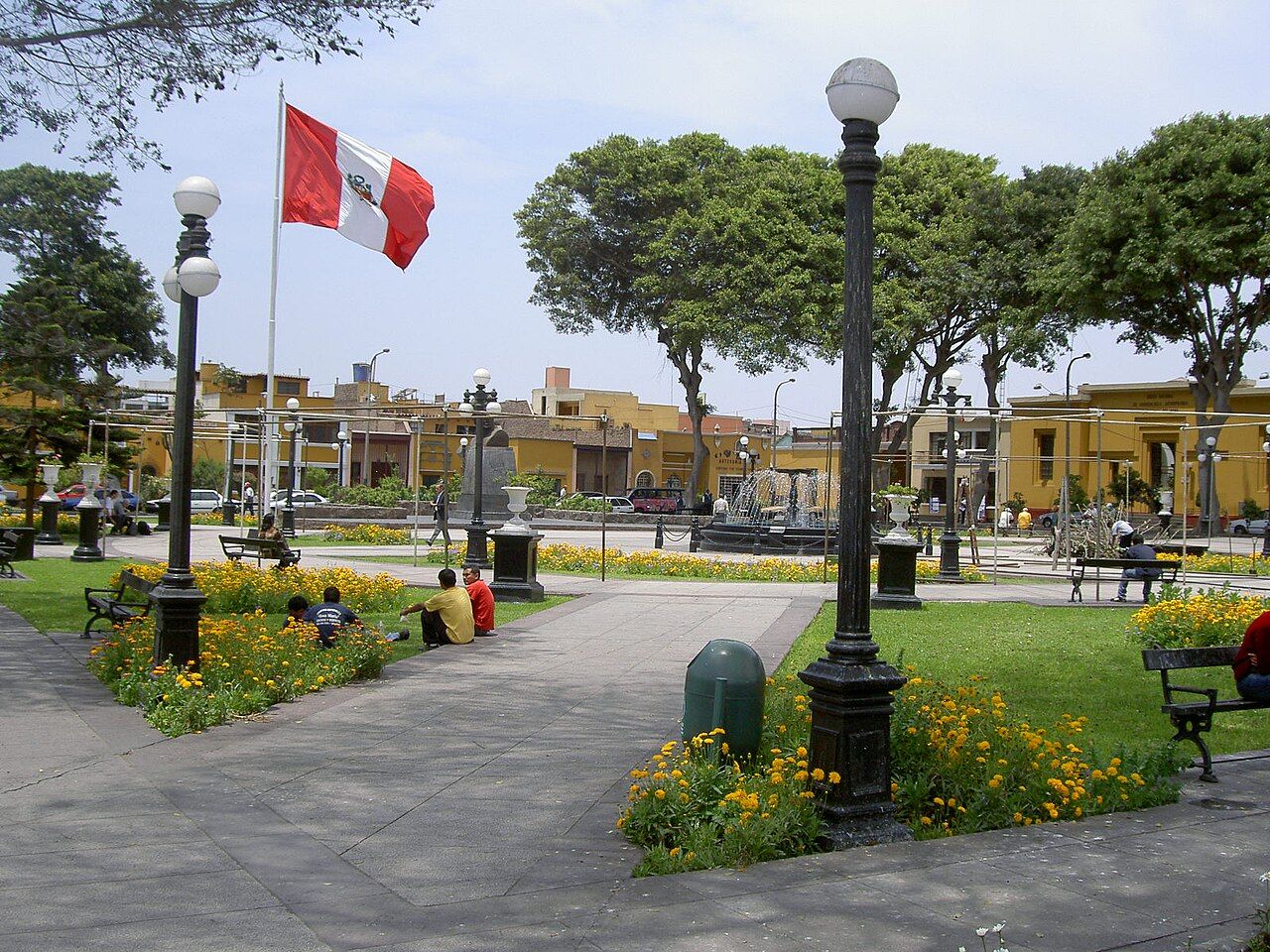
From the Larco, it is a pleasant walk through residential streets to Plaza Bolivar, the main square of Pueblo Libre. The square is small and green, with flower beds, lamp posts, benches and a fountain, surrounded by low buildings painted in yellow and ochre. A Peruvian flag usually flies above it.
 Camera: Rafajs77 at en.wikipedia | public domain

The square has a strong place in Peruvian history. Both Jose de San Martin and Simon Bolivar, the leaders of South American independence, stayed in a house on the square, which is now part of the national museum of archaeology, anthropology and history. The museum is worth a visit if you have time, with exhibits on Peru from ancient cultures to independence.
Around the square, look for old bakeries, small shops and local restaurants. The streets nearby are lined with houses from the early twentieth century, some with wooden balconies and decorated facades, much like those in the historic centre but in a quieter setting.
A slower afternoon
Pueblo Libre is a good place to slow down. After the museum, sit on a bench in Plaza Bolivar, watch families and students pass by and enjoy the absence of horns. If you like history, you can also visit the national museum on the square or wander the streets towards the old church of the district.
If you have already been to Pachacamac or the adobe pyramid at Huaca Pucllana, the Larco puts those sites in context, showing the objects and art made by the people who built them. If you plan a trip to the north or to Caral, it is a great introduction.
Pueblo Libre is best reached by taxi from Miraflores, Barranco or the centre; the ride takes around half an hour in moderate traffic. Buses run too, but the routes are confusing for first-time visitors. Agree on the fare before you get in, or use a registered taxi.
Half a day at the Larco
- Allow at least half a day for the Larco and the square together.
- Bring a light layer, as the galleries are cool.
- Photography is allowed in most galleries without flash; follow the signs.
- Weekday afternoons tend to be quieter than weekends.
- Carry small notes for a taxi back, as drivers often lack change.
The Larco is one of the best museums in Peru, and Pueblo Libre is one of the most relaxed districts in Lima. Together they make a quiet, rewarding afternoon away from the crowds of the coast.